
Matcha has been all the rage this year. But is the craze sustainable and what is ceremonial grade anyway? Nick Dall found out from the experts.
Words by Nick Dall
Matcha is having an extended moment. Specialist matcha cafes with punny names have already sprung up all over. Instagram and TikTok are awash with slickly edited reels of the chlorophyll-rich beverage being prepared and enjoyed. Mainstream coffee houses have also caught onto the trend with most menus now featuring a selection of hot and cold matcha options. Heck – the green stuff has even made its way onto supermarket shelves in both capsule and powder form.
David Mattisson of popular health food chain, Kauai, had this to say of the explosion, “Although matcha has been around for years, it's only recently started trending for our customers. We previously featured matcha on our menu a few years ago, but it's only now that consumers have truly embraced its health benefits. This shift is evident nationwide, though the trend has been especially prominent in our urban stores. Matcha offers customers greater variety while delivering significant health benefits as a coffee alternative.
Amy Gardiner of specialty cafe, Humble Coffee, in Durban has recently been bowled over by demand, “It really took me by surprise, but suddenly there were hundreds of TikTok users here wanting to snap pics with their matcha drinks after an influencer post went viral. On one occasion we ran out and there was nearly a riot! We learned our lesson: never run out of matcha!”
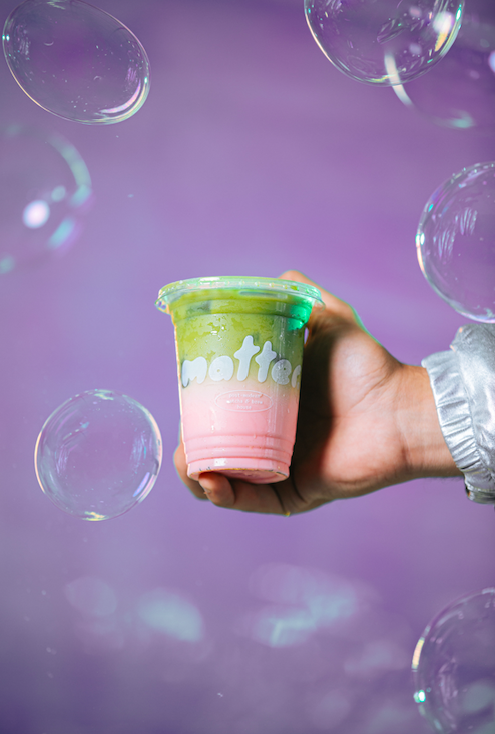
Reem Hassan, owner and founder of Matter based in Cairo, came from a successful cafe and roastery background through popular brand Seven Fortunes Coffee in Dubai. But her skills, both a coffee trained palate and her education, led her to start her own business and matcha is one of the cornerstone products.
“The idea behind Matter was never simply about serving matcha. With my background in pharmacy, the concept was grounded in the belief that substance truly matters. Matter is a post-modern matcha and brew house—driven by innovation and built around intentionality. Matcha became my starting point: a clean, steady, and functional form of caffeine that, until recently, was largely overlooked or inaccessible in Cairo. I saw an opportunity to shift that. To take something innovative, and once seen as niche or intimidating and make it part of everyday life here in Cairo.
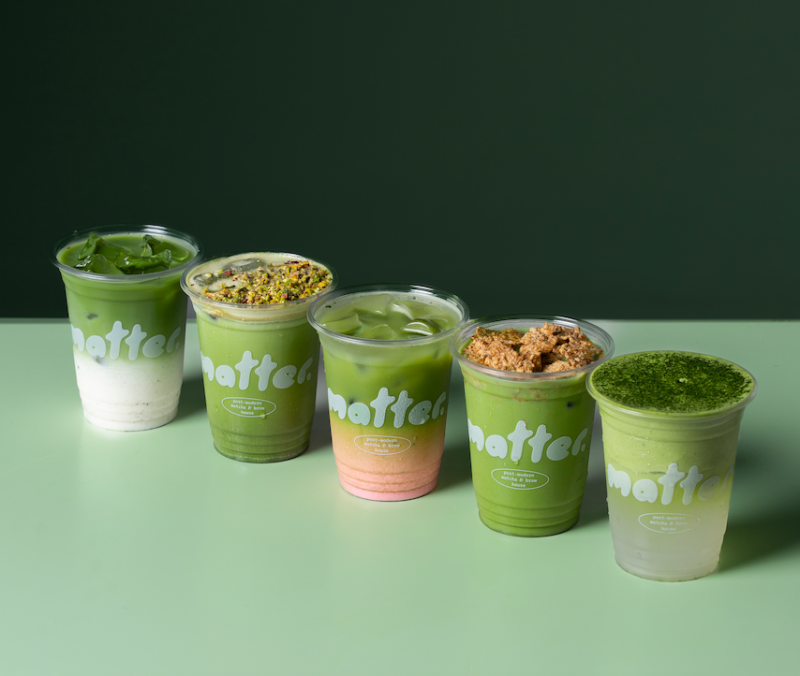
The response has been incredibly promising. People here are curious, conscious, and ready for alternatives. At Matter, we’re proud to be part of a new rhythm—one that’s more mindful, more innovative, and built around the idea that what we consume should not only fuel us, but ground us.”
Green machine
With scenes like this the world over, it’s tempting to wonder whether matcha is nothing more than the latest fad. But global trends and local experts are unanimous – matcha is here to stay. For starters matcha has a very long history. Something resembling matcha was first brewed in China around 1,300 years ago. The Zen monk Eisai – author of the Book of Drinking Tea for Health – brought it to Japan in the 12th century, and his brethren soon realised that drinking the emerald brew helped them to stay alert during marathon meditation sessions. The Japanese have spent the intervening 800 years perfecting its cultivation and production.
Then there are the numbers. The global matcha market is currently valued at $4.3 billion – and it’s expected to double by 2032.
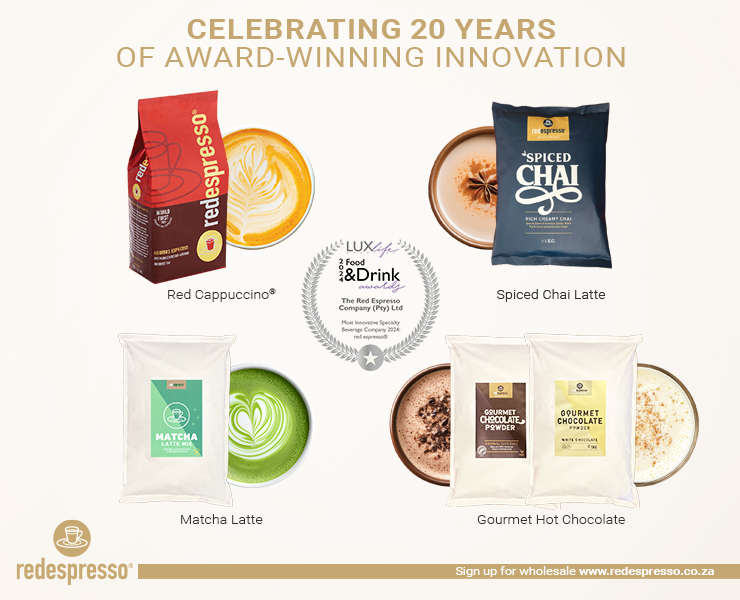
“Matcha has a lot going for it,” says Nic Reid of Red Espresso, who’s been importing quality Japanese matcha into South Africa since 2016. “We expected it to boom a little earlier, but we knew it would happen eventually.” As the pioneer of Red Cappuccinos, Reid knows a stellar coffee alternative when he sees one: “It tastes great and it looks even better,” he says.
Better still, it contains caffeine – in a healthier form than coffee. Matcha’s secret weapon is L-theanine – an amino acid which causes the caffeine to be released into your system over a longer period. This results in a calm, focused energy, that has none of the spikes and drops associated with coffee. It’s also packed with chlorophyll and antioxidants.
Plus, matcha is extremely versatile. In Japan it’s used in everything from cakes to Kit Kats and shampoo to Oreos, and it can also be drunk in a huge variety of formats. A cursory survey of café menus around the country found “iced white chocolate matcha”, “iced strawberry matcha lattes” and “mango and oat milk iced matcha.”
Pomp and ceremony
As matcha has grown in popularity, influencers around the globe have made a huge fuss about drinking only the finest, “ceremonial grade” matcha. This, says Reid, is a classic case of lost in translation: “In Japan they don’t talk about ceremonial grade,” he says with a laugh.
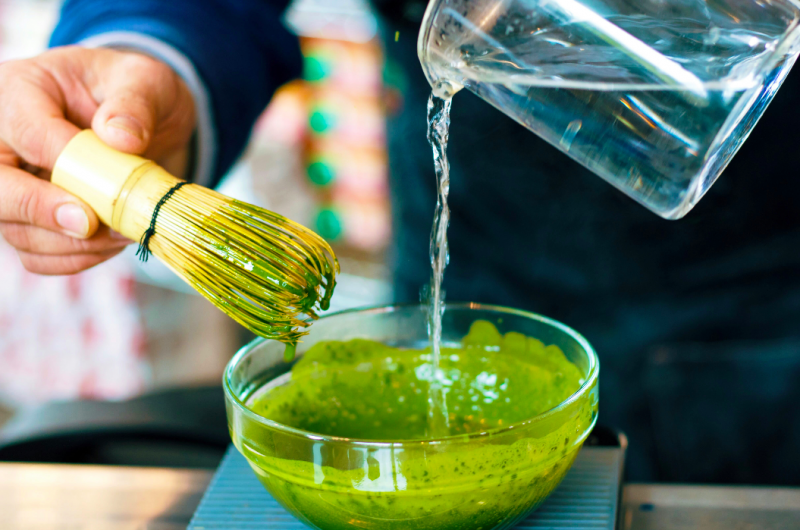
There are many different qualities of matcha in Japan and true connoisseurs talk about the exact farm a tea comes from rather than its grade. The best matcha is shade grown for longer and made from the first harvest of the season, using the youngest, tenderest leaves. These are hand-picked, de-veined and de-stemmed, before being stone-ground into a fine powder on a stone mill – a painstaking process which limits production to only 30 or 40 grams per hour!
The result? A bright, neon green tea with a smooth, creamy texture and a naturally sweet, umami-rich flavour with no bitterness. In Japan, the best matcha is always whisked with water, served without milk and sugar, and sipped slowly – often as part of a traditional tea ceremony.
The term “ceremonial-grade” is a western construct which is not regulated. Unlike labels like “organic” or “kosher,” there’s no official certification process so quality can vary widely”.
Culinary grade matcha is made from later harvests, using older leaves that pack a stronger, more bitter flavour. “It’s less refined, with a duller green colour and a coarser texture … But that’s not necessarily a bad thing,” says Reid, “Its robust profile makes it perfect for cooking and baking. It’s not ideal for sipping straight, but it shines when paired with milk, sugar, or butter.”
While the Japanese know instinctively what grade of matcha to use for each purpose, the rest of the world has naively classified all matcha as either “ceremonial grade” (a range of decent grades, not all of which would qualify for use in a traditional tea ceremony) or “culinary grade” (everything else).
Reid is keen to dispel this myth. “We do supply a very expensive grade of matcha on request that is intended for ceremonial use in Japan,” he explains. “But we encourage cafes to explore premium quality matcha that offers the signature green colour and clean, authentic matcha taste that matcha lovers are looking for – without the exorbitant price tag.”
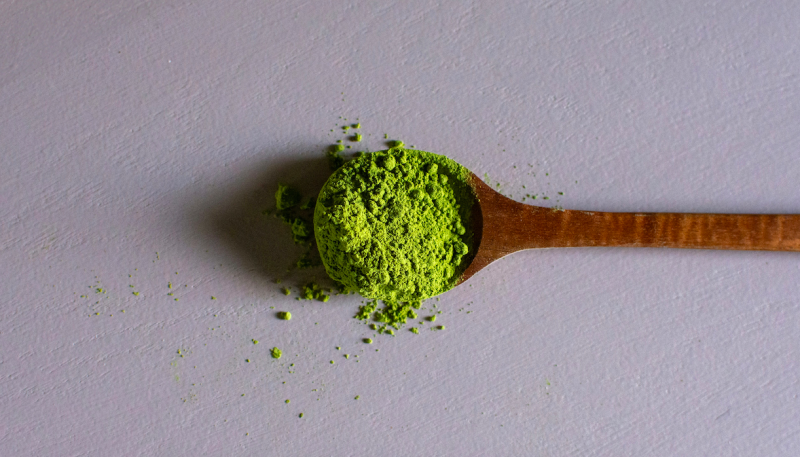
So how do you tell a good matcha? Reid says there are a few things to look out for. “Matcha powder should have a vibrant or dark green colour, with no yellows or browns. Other important factors are origin (“make sure it’s Japanese”) and taste: a good matcha will have low astringency and low bitterness, and a rich, umami taste. “In the cheaper grades you can’t hide away from the bitterness,” he says, “The texture should be silky and fine like talcum powder, and it should smell fresh and slightly sweet.”
Here to stay
Reid is convinced that matcha is no longer a fad. “Because matcha serves a genuine function a healthier delivery system for caffeine, we’ve felt it’s going to be the next big thing for a while,” says Reid. “Now it’s everywhere and it looks like it’s here to stay.”
He is enthused by the fact that the market has quickly evolved, with consumers demanding higher grades of matcha that taste better. He also sees plenty of room to grow: “We’re here to support the development of matcha in South Africa and make it an everyday choice. It’s in most cafés now … But we’re a long way from it being in every home. And we’re only scratching the surface of its culinary uses.”
“As a natural superfood, matcha will definitely remain on the Kauai menu,” David confirms. “We update our offerings seasonally to ensure customers always enjoy the healthiest ingredients in fresh, exciting, and delicious ways. So keep an eye out for new matcha pairings.”
Hassan agrees based on her experiences North of the equator, “Social media definitely played a role in matcha’s rise—it’s aesthetically unique, calming, and naturally fits into the aesthetic and wellness-focused content people gravitate toward. But its continuous popularity comes from something deeper. Matcha resonates because it offers a balance of form and function. It’s grounded in tradition, yet feels modern. It’s energising, but in a gentle, steady way. People are drawn to that sense of ritual, to something that feels good both physically and mentally. So while social media helped introduce matcha to new audiences, its icon status comes from how it makes people feel: intentional, elevated, and part of something meaningful.”
As it turns out, there’s a lot more to matcha than its scene stealing colour.
Matcha 101: What are the basics?
All tea comes from the same plant, Camellia sinensis, an evergreen shrub native to East Asia. Black Ceylon tea has been steamed and oxidised, hence the black colour. Green tea is made from the same raw material, but it isn’t oxidised. With proven claims that it can help appetite suppression and weight loss, green tea has been a fixture on South African supermarket shelves for decades. But it’s an acquired taste and it’s certainly not going to set TikTok alight.
Matcha starts off as green tea, although there are very stringent protocols on how it’s grown. “Unlike most teas,” says Reid, “the whole leaf is ground up and you consume the whole thing.” In fact, the direct translation for matcha from Japanese, is ‘powdered tea’.
Traditionally matcha is prepared using a bamboo whisk, but it can just as easily be prepared using a modern café equipment. “You can make hot lattes using the steam wand on your espresso machine and cold lattes using an old-fashioned blender,” says Reid.
We know you need to try it for yourself!
Cafe’s around the world are embracing fabulous matcha drinks, so can experiment at your local cafe or try it for yourself at home. Red Espresso has a range of quality matcha offerings for both cafes and home consumers.
In the café
At home
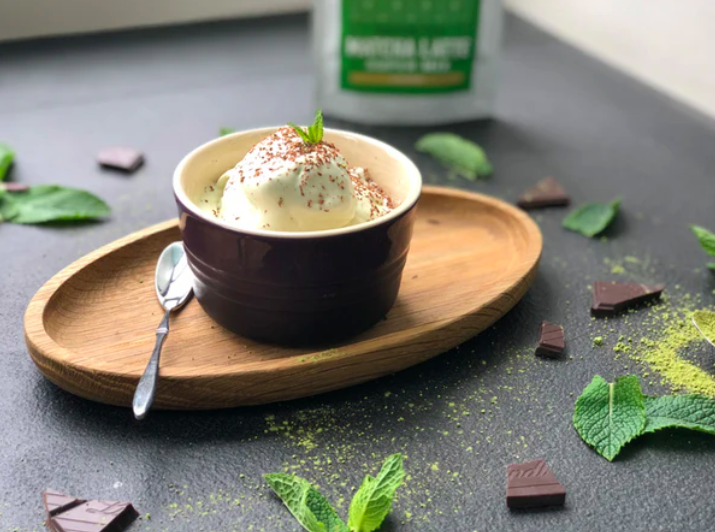
They also have some really cool recipes here, like the Matcha Mint ice cream below!!!
.png)